

- Logbook
- Hauling out and laying up your boat: what to do before and after the lift
Hauling out and laying up your boat: what to do before and after the lift
 Published
Updated

Key points
- Wash the boat's hull the same day it's lifted out, because wet growth comes off more easily than dried growth.
- Support the boat according to its structure: on a keelboat the weight rests on the keel with side supports at the strong points, while on a trailer the weight is spread over the rollers and support points.
- Protect the engine, cooling system, water systems and battery from freezing before the frost arrives, since a winter cover won't protect them.
- Tie the winter cover to the boat or the trailer frame, never to the stands, and leave a path for ventilation.
- Visit the boat regularly over the winter to check the supports and cover, especially after storms and snowfall.
Products in this article
Mentioned






Your haul-out date is in the calendar. Three things decide what shape your boat is in come spring: wash the hull before the grime dries, support the boat to suit its structure, and protect the systems before the frost. Everything else either supports these or can wait until spring.
Let's go through the jobs in the order they come up: before the lift, on lift day, on the stands and before the frost. At the end there's a checklist to take to the harbour.
This advice suits most boats. If the manufacturer of your boat, engine or trailer says otherwise, go with them.
1. Before the lift: check the lifting points and gear
Take mattresses, cushions, food and loose gear off while you're still at the pontoon. Carrying from a floating boat is easier than down a ladder, and anything that can't handle damp or frost goes home at the same time.
Book the winter service before the lift. Some engine jobs are done while the boat is still in the water, such as changing the oil with a warm engine and adding fuel treatment before the last run. Read the engine section before the boat comes out.
If you haul out on a trailer, go over it a week before: tyres, lights, wheel bearings, brakes if it has them, the winch and its strap or cable, rollers and supports. The trailer has stood all summer, and a broken roller is easier to replace on your driveway than on the slipway. If a roller is worn or cracked, check the length and axle diameter of the old one before you buy a new one.
A winch strap alone is not enough to secure the boat for transport. Tie the boat down properly to the trailer with ratchet straps before you set off.
If the boat is lifted by crane, find out your boat's lifting points before lift day and tell the crane operator.
Agree with the operator who guides the boat and from where. That way the lift goes without surprises. Choose the thickness of the guide lines to suit the size of the boat.
2. After the lift: wash the hull before the grime dries
Wash the hull the same day the boat comes out. Wet growth comes off with a brush and water. Once it dries, it takes a scraper or stronger products, which also tend to wear the surface.
Start with the gentlest method: brush and water, then a pressure washer from a sensible distance. If the hull has a soft, eroding antifouling, wash carefully, as the paint comes off easily. Wash at the harbour's designated wash area, as the wash water carries antifouling with it.
Once the hull is clean, check:
- dents, cracks and other damage
- the propeller and other underwater parts
- anode wear
- the area around the through-hulls
Photograph anything unclear straight away. Cracks and leaking through-hulls are fixed before winter, otherwise water freezes in the gaps. If the anodes are worn, check the model and fixing of the old anode.
Clean the interior too and let the boat dry before covering it. Dirt and damp are the perfect breeding ground for mould.
3. In winter storage: support the boat to suit its structure
Support is decided in October but tested in March. Soft ground, frost heave and meltwater shift the supports over the winter.
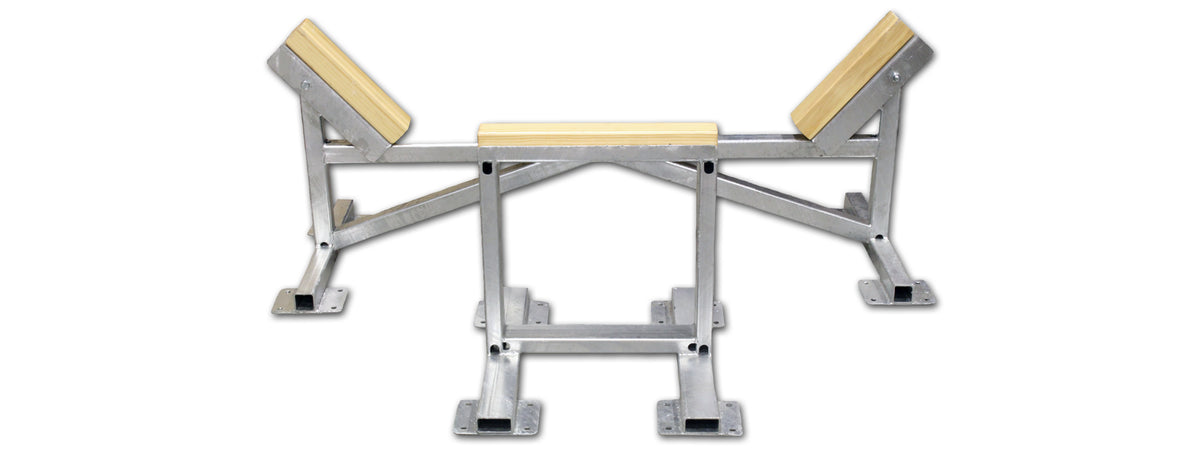
On stands, a keelboat's weight rests on the keel, and the side supports keep it upright. Side supports go under the strong points of the hull, not under a thin topside. If your boat is flat-bottomed or a multihull, ask the manufacturer or the boatyard for a support diagram.
Check that the stands' load rating exceeds the boat's real weight with its gear, and that the supports suit your hull shape. Put a firm, level base under the stands so they don't sink.
On a trailer, the weight is spread over the rollers and supports, not on a single roller. Chock the wheels, support the trailer if it stands all winter, and lock the coupling. An unattended trailer is easy to drive away.
Check the supports a week after the lift and then after storms, heavy snowfall and thaws. If the boat has tilted or a support has moved, ask the boatyard to help put it right. A loaded support is never moved alone.
4. Protecting the boat for winter: cover, ventilation and checks
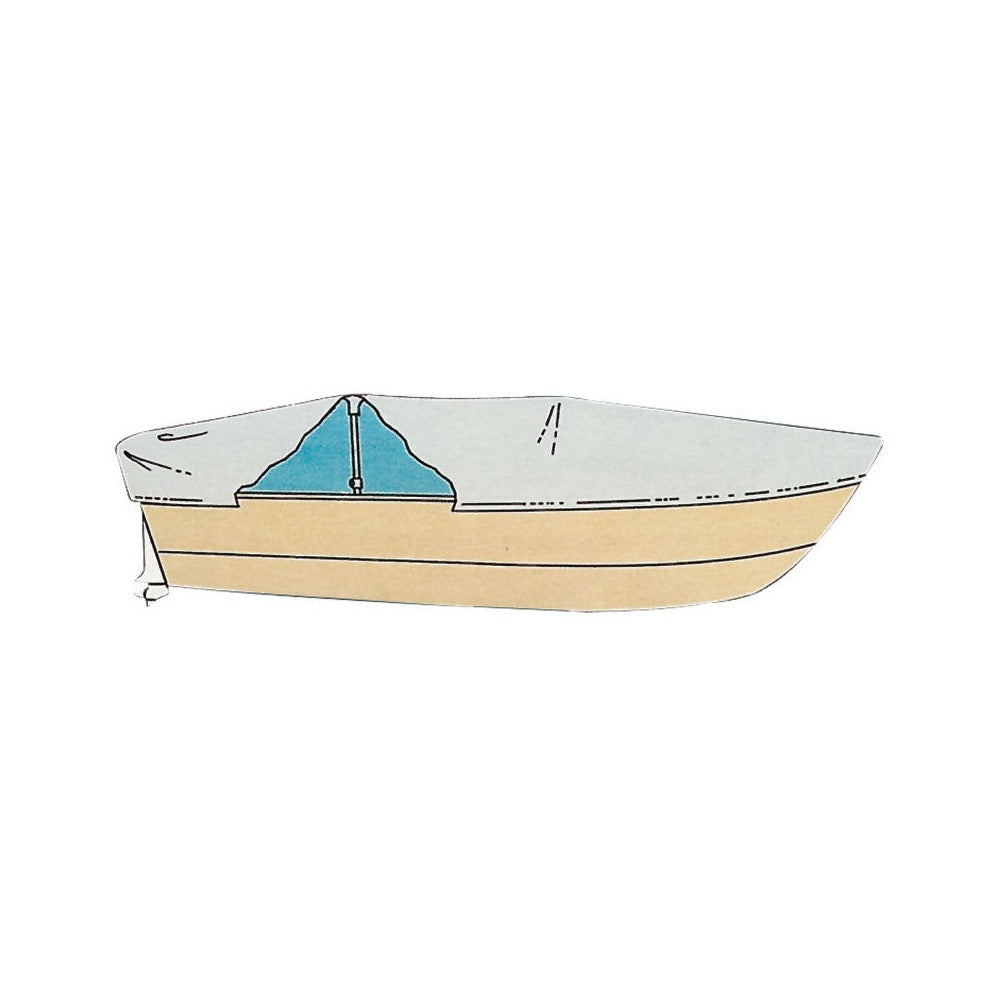
A winter cover keeps rain and snow out but lets moisture escape. An intact, well-fitting tarpaulin over a frame is enough for most boats. Measure the boat's length and width over the frame and choose a size that reaches over the sides to the fixing points.
A tarpaulin needs a frame with a ridge high enough for water and snow to run off. A dip that collects water becomes a tear by spring. Protect any spots where the cover or its ties rub the hull.
The cover is tied to the boat or the trailer frame, never to the stands. Wind pulls on the cover, and the pull goes straight into the supports.
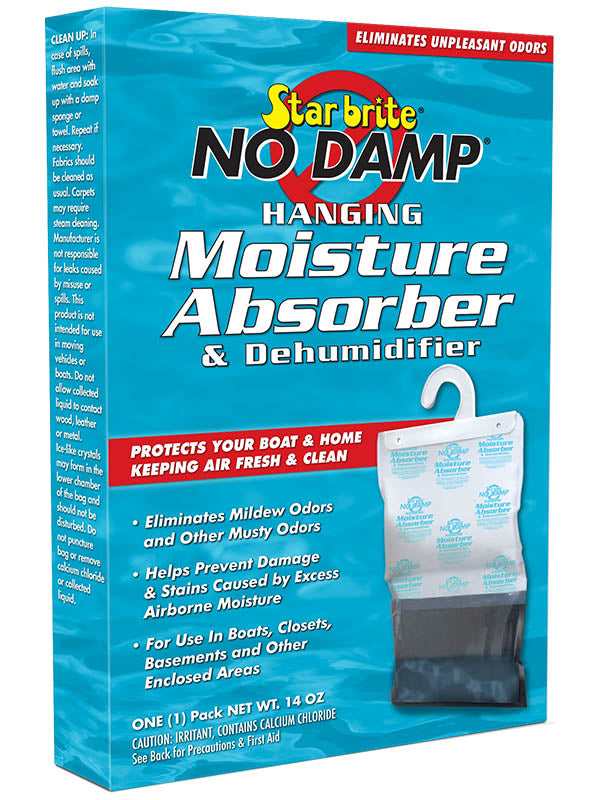
Leave a path for ventilation under the cover and inside the boat: vents or a gap at the ridge, hatches ajar. Put a dehumidifier inside, more than one in a bigger boat, and check that any water that gets in can drain out.
A canopy is not a winter cover. Remove it, clean and dry it, and take it home to a dry place. Store it loosely folded so the windows stay straight and free of scratches.
Visit the boat over the winter. Check the ties, chafe points and ventilation, and clear the snow before its weight strains the cover and frame.
5. Engine, water systems and battery: deal with these separately
A cover won't protect the systems from freezing. Set aside time for the winter service and do the in-water jobs before the lift.
Engine: on a four-stroke, change the oil and filters before winter, ideally while the engine is still warm. Warm oil drains more easily, and old oil doesn't sit in the engine all winter. A two-stroke has no engine oil to change, so check your engine's storage instructions. On an outboard, change the gear oil at the same time, using the grade specified in the manual: if the old oil looks milky, water has got into the gearcase, and the leak is fixed before the frost. If you don't service the engine yourself, book the service now, as autumn slots fill up.
Cooling system: an outboard is flushed with fresh water and left upright so the water drains out. An inboard's raw-water side is run through with antifreeze. If the engine has closed cooling, check the antifreeze concentration in the freshwater circuit too. Never start the engine without cooling water.
Water systems: drain the freshwater system and run non-toxic antifreeze made for drinking-water systems through it until it comes out of every tap. Remember the hoses, pumps, water heater and toilet. Emptying the tank alone leaves water in the pipes. Estimate the amount you need from the size of the system. Check the pack to see whether the stated temperature is the freezing point or the burst protection, as they are not the same thing. Flush the system in spring as the product instructs.
Battery: charge the battery fully before winter. A fully charged lead-acid battery withstands frost; a flat one can freeze. Disconnect the battery or connect a maintenance charger, and switch off any devices not needed over winter. Check that the maintenance charger suits your battery type. Lithium batteries have their own storage instructions, so check those separately.
Fuel: if fuel stays in the tank over winter, add fuel treatment before the last run so the treated fuel also circulates through the engine. Choose a treatment to suit your fuel and dose it as the pack instructs.
What can wait until spring?
Washing and drying can't wait; polishing can. Over the winter, what matters most is preventing freezing, damp and poor support. These can wait until spring:
- interior and textile updates
- electronics upgrades
- cosmetic repairs, once you've made sure the damage won't let water into the structure
- polishing and waxing
- antifouling
Note down the spring jobs and take photos now. In spring you'll know where to start.
Laying up – checklist before and after the lift
Save the list on your phone or print it out. Pick the trailer or crane items that match how you haul out, and add anything your boat needs.
Before the lift
- Haul-out date and winter storage spot are agreed.
- The boat's lifting points and support instructions are known.
- Textiles, food, valuables and damp-sensitive loose gear have been taken off.
- The trailer's condition, load rating, bearings, brakes, winch, rollers and tie-downs have been checked.
- The engine's winter service is planned or booked. In-water jobs are done before the lift.
On lift day
- Lifting points and who does what have been agreed with the operator.
- A boat travelling by trailer is supported and tied down for transport.
- The hull has been washed according to the harbour's washing rules.
- The hull, propeller, anodes and visible through-hulls have been checked. Damage has been photographed and repair needs assessed.
Before leaving the boat for winter
- The boat is supported on a firm, level base.
- The trailer wheels are chocked and the trailer is supported.
- The engine's winter service is done according to its instructions and the cooling system is protected.
- The freshwater system is drained and run through with antifreeze suitable for drinking-water systems.
- The battery is fully charged and disconnected or on a maintenance charger.
- The boat is clean and dry, with a dehumidifier in place. The canopy is at home.
- The winter cover is over its frame and tied to the boat or trailer. Ventilation is open.
- Winter check visits are arranged.
A well-prepared boat is easier to check on over the winter — and nicer to launch in spring.
Frequently asked questions
What can wait until spring?
Interior and textile updates, electronics upgrades, cosmetic repairs (once you've made sure the damage won't let water into the structure), polishing and waxing, and antifouling can all wait until spring. Washing and drying cannot wait.
Add your boat
See the products and videos that fit it.
